%2Ffit-in%2F250x250%2Fguide_websites%2F607%2Fimages%2Flocalgrowncharterslogo.jpg&w=1920&q=100)
/users/602b0194-0420-47c3-a057-47eddabd8532/ratecard/screenshot2023-11-20202237.png)
%2F300x300%2Fusers%2F602b0194-0420-47c3-a057-47eddabd8532%2Fratecard%2Fscreenshot2023-11-20202237.png&w=256&q=75)
%2F300x300%2Fusers%2F602b0194-0420-47c3-a057-47eddabd8532%2Fimages%2Fsnook-caught-florida-2616.png&w=256&q=75)
%2F300x300%2Fusers%2F602b0194-0420-47c3-a057-47eddabd8532%2Fimages%2Fsnook-caught-key-largo-2634.png&w=256&q=75)
%2F300x300%2Fusers%2F602b0194-0420-47c3-a057-47eddabd8532%2Fimages%2Ffishing-adventure-key-largo-2751.png&w=256&q=75)
%2F300x300%2Fusers%2F602b0194-0420-47c3-a057-47eddabd8532%2Fimages%2Fsnook-catch-key-largo-2645.png&w=256&q=75)
%2F300x300%2Fusers%2F602b0194-0420-47c3-a057-47eddabd8532%2Fimages%2Ffishing-adventure-key-largo-2875.png&w=256&q=75)
%2F300x300%2Fusers%2F602b0194-0420-47c3-a057-47eddabd8532%2Fimages%2Fspiny-pufferfish-everglades-fishing-catch-11218.png&w=256&q=75)
%2F300x300%2Fusers%2F602b0194-0420-47c3-a057-47eddabd8532%2Fimages%2Fpermit-catch-key-largo-fishing-3458.png&w=256&q=75)
%2F300x300%2Fusers%2F602b0194-0420-47c3-a057-47eddabd8532%2Fimages%2Ftuna-bonito-fishing-florida-2816.jpg&w=256&q=75)
%2F300x300%2Fusers%2F602b0194-0420-47c3-a057-47eddabd8532%2Fimages%2Fgreat-barracuda-florida-fishing-2634.jpg&w=256&q=75)
%2F300x300%2Fusers%2F602b0194-0420-47c3-a057-47eddabd8532%2Fimages%2Ffishing-adventure-florida-2661.jpg&w=256&q=75)
Top-Rated Tarpon Fishing in Florida Keys
 Key Largo, FL
What you will be catching:
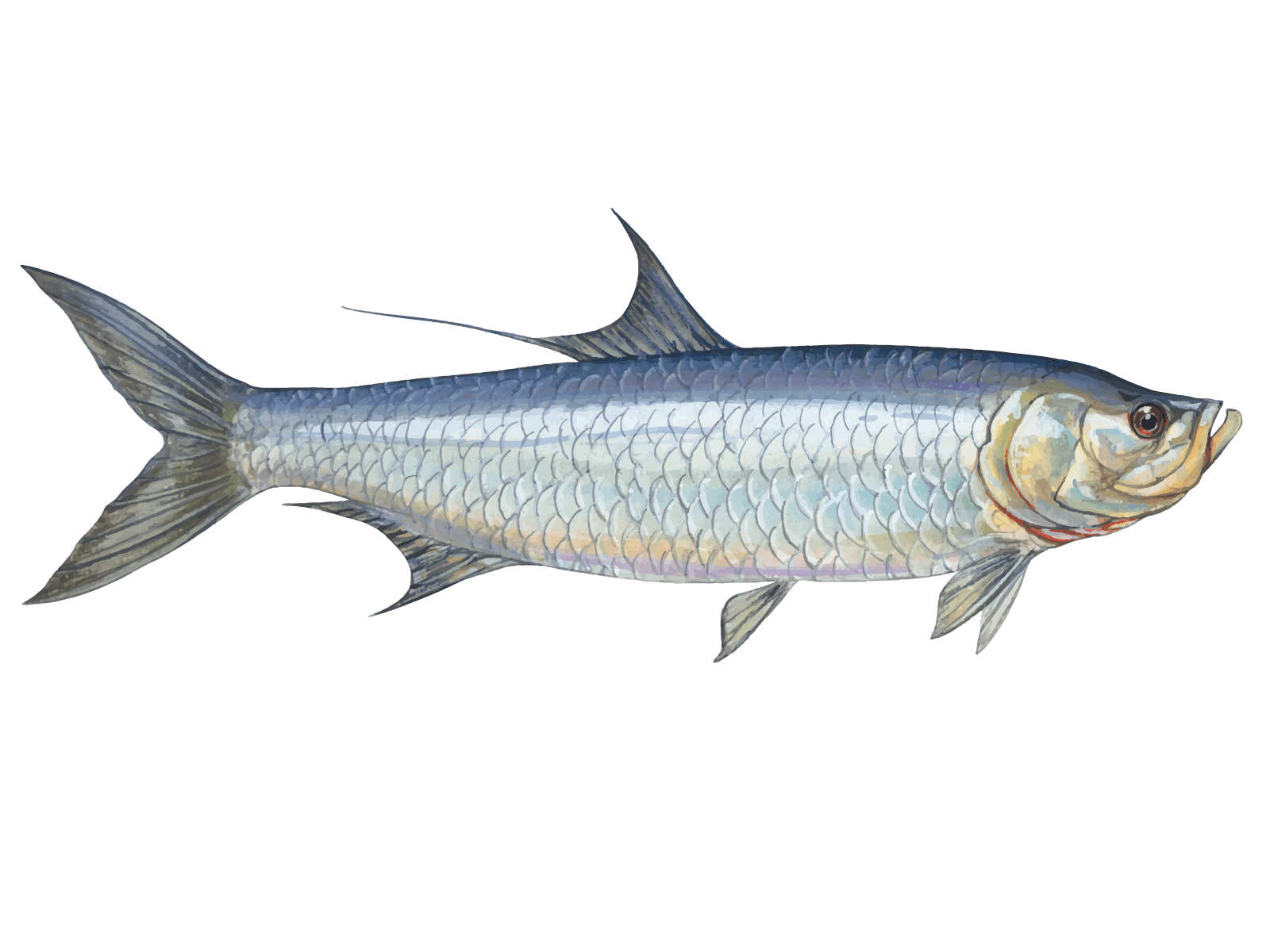
 Tarpon
- Join Captain Andrew Atwill for a 4-hour tarpon fishing adventure in the Florida Keys' legendary saltwater flats. You'll target the famous "silver kings" – massive tarpon known for their explosive jumps and powerful fights that test even experienced anglers. These backcountry waters hold some of the best tarpon fishing in the world, and Captain Andrew knows exactly where to find them. With space for up to 4 guests, you'll get personalized attention whether you're new to tarpon fishing or chasing your next trophy. The flats are loaded with other species too, so expect plenty of action throughout the trip. This is serious fishing in one of the most productive tarpon destinations anywhere.
Trip Pricing and Availabilities:
Half Day Tarpon Fishing Trip in the Florida Keys
Picture yourself standing on the bow of a flats boat, watching the crystal-clear water of the Florida Keys stretch out in every direction. The morning sun catches the surface just right, and suddenly you spot them—massive shadows gliding through the shallows like silver submarines. This is tarpon fishing at its finest, and Captain Andrew Atwill knows exactly where to find these legendary fish. Our 4-hour adventure takes you deep into the backcountry flats where the silver kings rule, offering up to 4 anglers the chance to tangle with one of saltwater fishing's most prized catches. You'll quickly discover why anglers travel from across the globe just to feel that first explosive jump when a hundred-plus-pound tarpon goes airborne.
What to Expect on the Water
Your day starts early because that's when tarpon are most active in these shallow flats. Captain Andrew will have you rigged and ready before you even reach the prime spots, explaining the game plan while you cruise through mangrove-lined channels that lead to the main event. The Florida Keys backcountry is a maze of shallow water, grass flats, and sandy potholes—perfect tarpon habitat that most visiting anglers never see. You'll be sight-fishing in water so clear you can watch these giants cruise along the bottom, sometimes in schools of dozens. The boat positioning is critical here, and Andrew's got years of experience reading the water, wind, and tide to put you in the right place at the right time. Don't worry about skill level—whether you've been chasing tarpon for decades or you've never seen one, Andrew adjusts his approach to match your experience. The adrenaline kicks in the moment you spot your first rolling tarpon, and it only builds from there.
Tackle and Techniques
Tarpon fishing in the Keys requires specific gear and techniques that separate it from other types of saltwater angling. You'll be using medium-heavy spinning rods paired with high-capacity reels loaded with 20 to 30-pound braided line—strong enough to handle the fight but light enough to make accurate casts to spooky fish. Live bait is king out here, and Andrew keeps a well-stocked live well with pilchards, pinfish, and crabs that tarpon can't resist. The presentation is everything when sight-fishing these wary giants. You'll learn to lead the fish just right, placing your bait in their path without spooking the entire school. Circle hooks are standard to improve hook-up rates and make release easier, because most tarpon in these waters are catch-and-release only. The technique involves a delicate balance—you need enough weight to get the bait down but not so much that it looks unnatural. Andrew will coach you through the entire process, from the initial cast to setting the hook when that massive head turns down on your bait.
Top Catches This Season
The tarpon fishing has been absolutely phenomenal this year, with fish showing up in good numbers throughout the spring and summer months. Most of our catches have been in the 80 to 150-pound range—true silver kings that put up legendary fights. Just last week, a first-time tarpon angler managed to land a 120-pounder after a 45-minute battle that included six spectacular jumps. The fish are healthy and aggressive, feeding heavily on the abundant baitfish that flood these flats during the warmer months. We've been finding them in the usual spots—sand holes near mangrove edges, grass flats with good current flow, and channels where the tide pushes bait through like a conveyor belt. The morning bite has been particularly strong, with fish often rolling and feeding actively in the first two hours of the trip. Even when the action slows, Andrew's ability to relocate and find fresh schools keeps the excitement going. Many days we're getting multiple shots at different fish, and it's not uncommon to hook up with two or three tarpon during the 4-hour window.
Species You'll Want to Hook
Tarpon are the undisputed kings of the Florida Keys flats, and once you've hooked one, you'll understand why they've earned legendary status among saltwater anglers. These prehistoric giants can reach lengths of 8 feet and weights exceeding 200 pounds, though most of the fish we encounter range from 80 to 150 pounds—still more than enough to test your skills and equipment. What makes tarpon so special isn't just their size, it's their fighting style. The moment you set the hook, they explode from the water in a series of gill-rattling jumps that will leave you speechless. They're incredibly strong swimmers with the stamina to run hundreds of yards of line off your reel in seconds. The best tarpon fishing happens from May through September when water temperatures climb and these migratory fish flood into the Keys to feed and spawn. They prefer shallow water between 3 and 10 feet deep, where they cruise the grass flats and sand holes looking for crabs, shrimp, and small fish. Tarpon have excellent eyesight and can be extremely spooky, which makes the sight-fishing aspect so challenging and rewarding. Their mouths are incredibly hard and bony, earning them the nickname "silver king," and they require sharp hooks and perfect timing to hook solidly. The fight typically lasts 20 to 45 minutes, depending on the size of the fish and the angler's experience. What really gets people hooked on tarpon fishing is that moment when a 100-pound fish launches itself 6 feet out of the water right next to the boat—it's a sight that photos and videos simply can't capture.
Time to Book Your Spot
The Florida Keys tarpon season waits for no one, and the best fishing windows fill up fast with anglers who know what they're after. Captain Andrew's knowledge of these backcountry flats, combined with his patient teaching style, makes this trip perfect for anyone serious about experiencing world-class tarpon fishing.
Learn more about the species
Tarpon
The Silver King of the flats – that's what we call tarpon around here. These prehistoric giants average 80-100 pounds and 4-6 feet, but I've seen monsters push 200+ pounds. What makes them special? Pure athleticism. When hooked, they'll rocket 10 feet out of the water in spectacular jumps that'll get your heart pounding. We find them cruising the shallow grass flats, deeper channels around the keys, and along the Atlantic and Gulf strips. They love structure – think bridge pilings, channels, and drop-offs. Peak season runs May through July when they migrate through in massive schools. Most folks practice catch-and-release since tarpon are tough eating and a threatened species. It's all about the fight and bragging rights anyway. Here's my local tip: when you see one jump, immediately bow to the fish by dropping your rod tip toward the water. This gives slack and prevents them from throwing the hook during their aerial show. Trust me, you'll thank me later.
About the Pathfinder
%2F%2Fusers%2F602b0194-0420-47c3-a057-47eddabd8532%2Fvehicle_picture%2F89560946_103202157973729_4353386272929087488_n.jpg&w=1920&q=75)
Vehicle Guest Capacity: 6
Manufacturer Name: Yamaha
Maximum Cruising Speed: 52
Number of Engines: 1
Horsepower per Engine: 300