%2Ffit-in%2F250x250%2Fguide_websites%2F607%2Fimages%2Flocalgrowncharterslogo.jpg&w=1920&q=100)
/users/602b0194-0420-47c3-a057-47eddabd8532/ratecard/screenshot2023-11-20200547.png)
%2F300x300%2Fusers%2F602b0194-0420-47c3-a057-47eddabd8532%2Fratecard%2Fscreenshot2023-11-20200547.png&w=256&q=75)
%2F300x300%2Fusers%2F602b0194-0420-47c3-a057-47eddabd8532%2Fimages%2Fsnook-caught-florida-2616.png&w=256&q=75)
%2F300x300%2Fusers%2F602b0194-0420-47c3-a057-47eddabd8532%2Fimages%2Fsnook-caught-key-largo-2634.png&w=256&q=75)
%2F300x300%2Fusers%2F602b0194-0420-47c3-a057-47eddabd8532%2Fimages%2Ffishing-adventure-key-largo-2751.png&w=256&q=75)
%2F300x300%2Fusers%2F602b0194-0420-47c3-a057-47eddabd8532%2Fimages%2Fsnook-catch-key-largo-2645.png&w=256&q=75)
%2F300x300%2Fusers%2F602b0194-0420-47c3-a057-47eddabd8532%2Fimages%2Ffishing-adventure-key-largo-2875.png&w=256&q=75)
%2F300x300%2Fusers%2F602b0194-0420-47c3-a057-47eddabd8532%2Fimages%2Fspiny-pufferfish-everglades-fishing-catch-11218.png&w=256&q=75)
%2F300x300%2Fusers%2F602b0194-0420-47c3-a057-47eddabd8532%2Fimages%2Fpermit-catch-key-largo-fishing-3458.png&w=256&q=75)
%2F300x300%2Fusers%2F602b0194-0420-47c3-a057-47eddabd8532%2Fimages%2Ftuna-bonito-fishing-florida-2816.jpg&w=256&q=75)
%2F300x300%2Fusers%2F602b0194-0420-47c3-a057-47eddabd8532%2Fimages%2Fgreat-barracuda-florida-fishing-2634.jpg&w=256&q=75)
%2F300x300%2Fusers%2F602b0194-0420-47c3-a057-47eddabd8532%2Fimages%2Ffishing-adventure-florida-2661.jpg&w=256&q=75)
Key Largo Deep Sea Fishing: 6-8 Hour Adventure
 Key Largo, FL
What you will be catching:
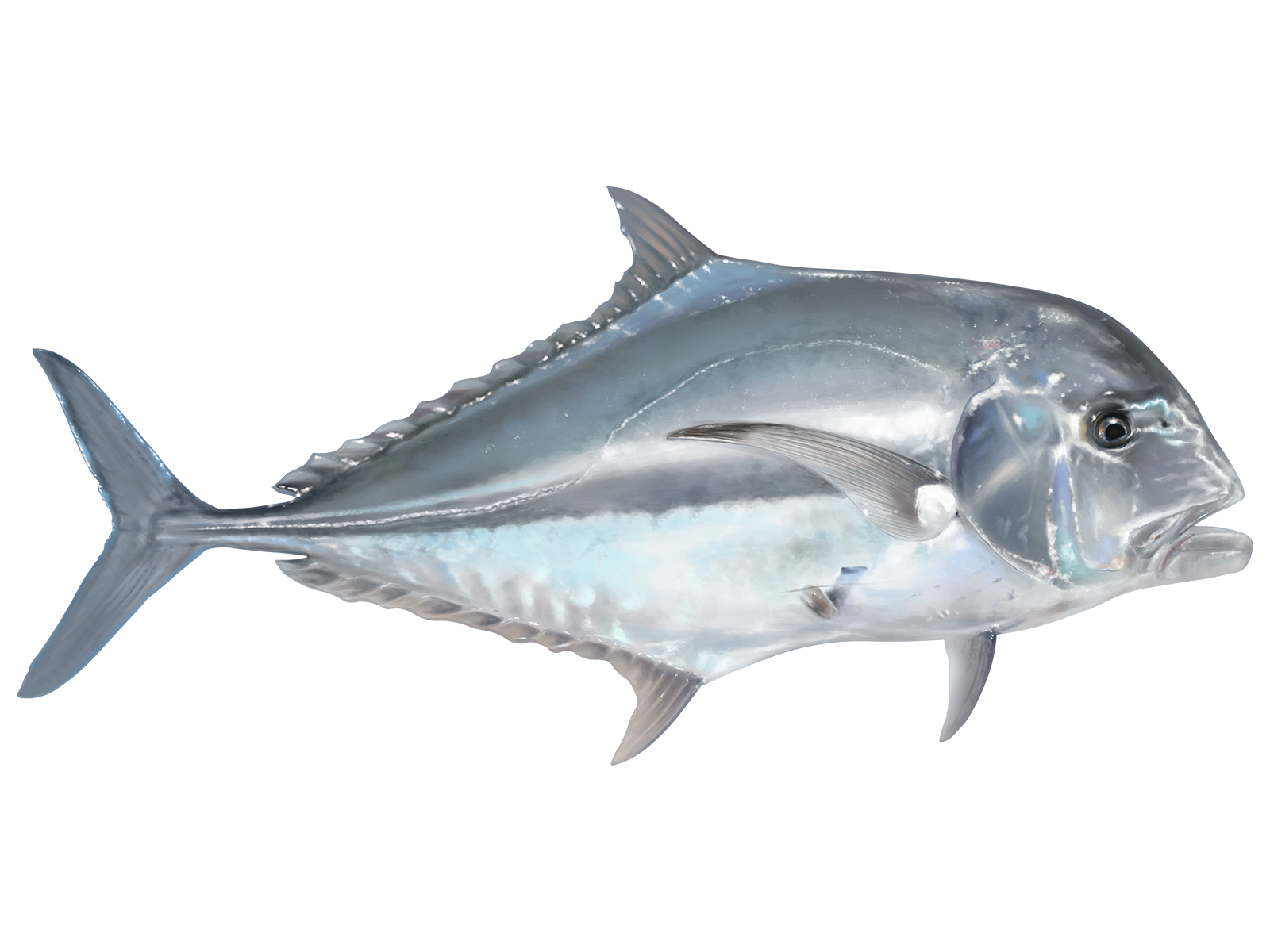 African Pompano
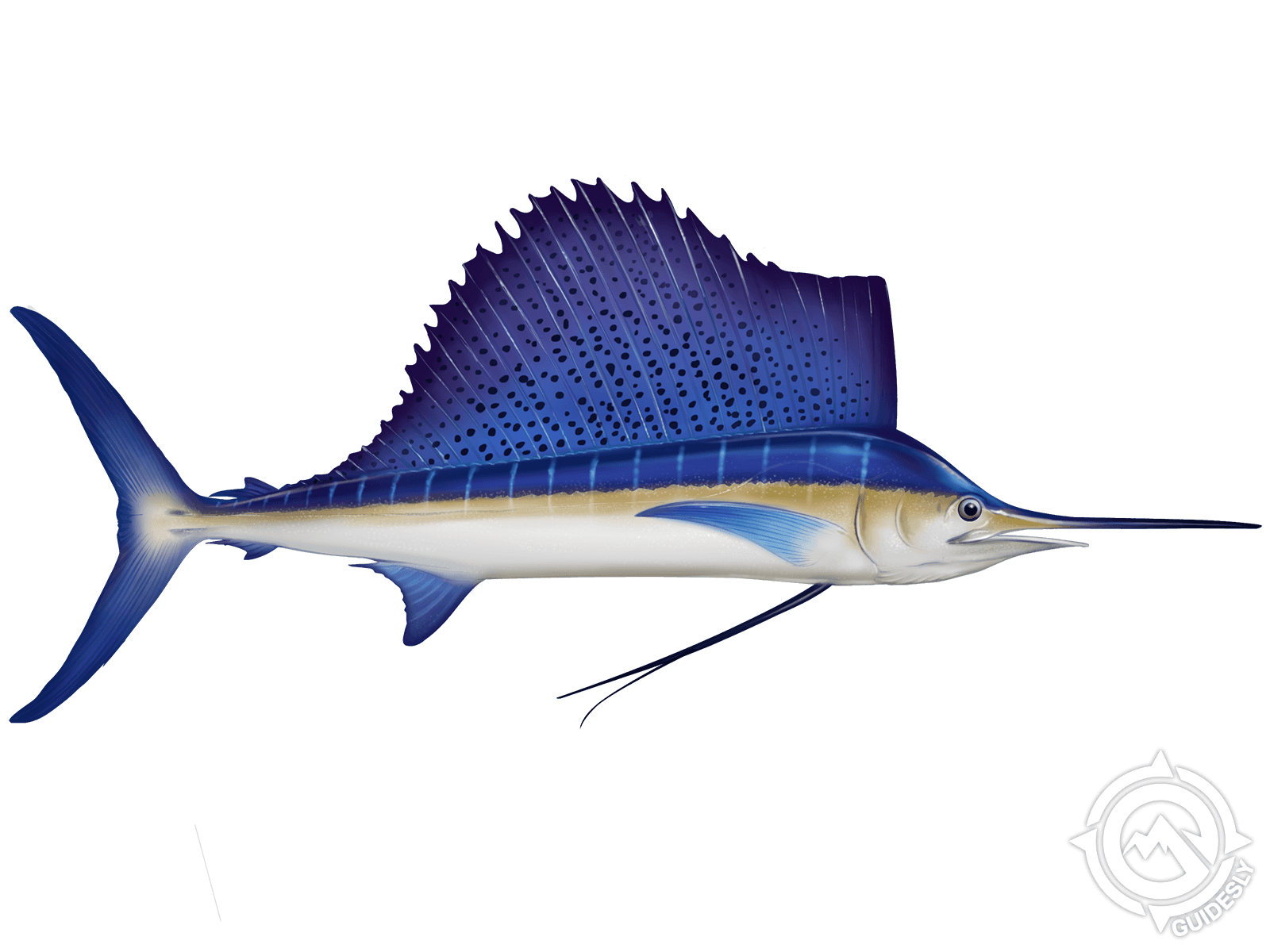
 Atlantic Sailfish
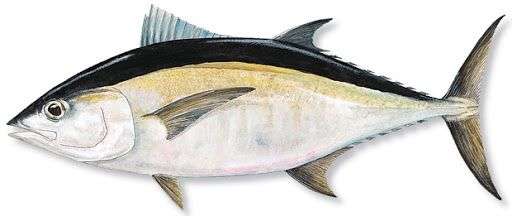
 Bluefin Tuna
 Great Barracuda
 King Mackerel
 Mahi Mahi or Common Dolphinfish
 Wahoo Fish
- This full-day offshore fishing trip with Local Grown Charters takes you into the deep waters around Key Largo for 6 or 8 hours of serious fishing. You'll target big-game species like Mahi-Mahi, Tuna, Sailfish, Wahoo, Kingfish, and Barracuda using top-quality gear provided by the crew. The experienced captain and crew know these waters well and will put you on the fish, whether you're a seasoned angler or trying offshore fishing for the first time. With space for up to four guests, you get a more personal experience than larger boats. The boat is equipped with everything you need, and the crew handles all the technical stuff so you can focus on fighting fish and enjoying the day on the water.
Trip Pricing and Availabilities:
Full Day Offshore Fishing in Key Largo
Key Largo's offshore waters are where serious anglers come to play. Local Grown Charters runs these full-day trips because we know where the big fish live – and trust me, they're out there waiting. You'll spend 6 to 8 hours chasing some of the Atlantic's most prized gamefish, from screaming sailfish to bull mahi that'll test your arms. Our boat handles up to four guests, so you're not fighting crowds for rod space or photo ops. Whether you've been fishing offshore for decades or this is your first time past the reef line, our crew knows how to put you on fish and keep the action hot all day long.
What to Expect on the Water
We're talking about real offshore fishing here – not some half-day run to the near reef. These trips take you into the deep blue where the Gulf Stream brings in the big pelagics. You'll be running lines in 200 to 1,000 feet of water, where the bottom drops away and the ocean comes alive. The ride out takes about 45 minutes, giving you time to get your sea legs and watch the water change from that shallow turquoise to deep blue. Our crew sets up multiple rods with different techniques running simultaneously – you might have live bait down deep while trolling lures on the surface. When something hits, you'll know it. These fish don't nibble; they slam the bait and take off like freight trains. The boat stays busy all day, with our crew constantly adjusting based on what we're seeing on the electronics and where the birds are working.
Trolling Tactics & Gear Setup
Most of your day revolves around trolling – covering water with a spread of lures and baits that imitate what these pelagic species hunt. We run a mix of ballyhoo, bonito strips, and artificial lures at different depths and distances from the boat. The outriggers keep lines spread wide, while we might drop back a flat line or run something deeper on a planer. When we find structure or temperature breaks, we'll switch to live bait fishing – pilchards, goggle eyes, or whatever we can catch fresh. The rod setup depends on what we're targeting, but expect heavy spinning gear and conventional reels loaded with enough line to handle long runs. Our crew handles all the rigging, net work, and fish handling so you can focus on the fight. When a fish comes to the boat, that's when the real teamwork starts – everyone has a job, and our guys know exactly how to get your fish in the boat safely.
Target Species You'll Want to Hook
Atlantic Sailfish are the crown jewel of Key Largo offshore fishing. These acrobatic billfish average 6 to 8 feet and put on an air show that'll leave you breathless. Peak season runs from December through April when they migrate through our waters in impressive numbers. Sailfish hit fast-trolled ballyhoo and artificial lures, often coming up behind the boat with their sails lit up electric blue. The fight combines blistering runs with spectacular jumps – they'll clear the water completely, shaking their heads and gill-rattling to throw the hook.
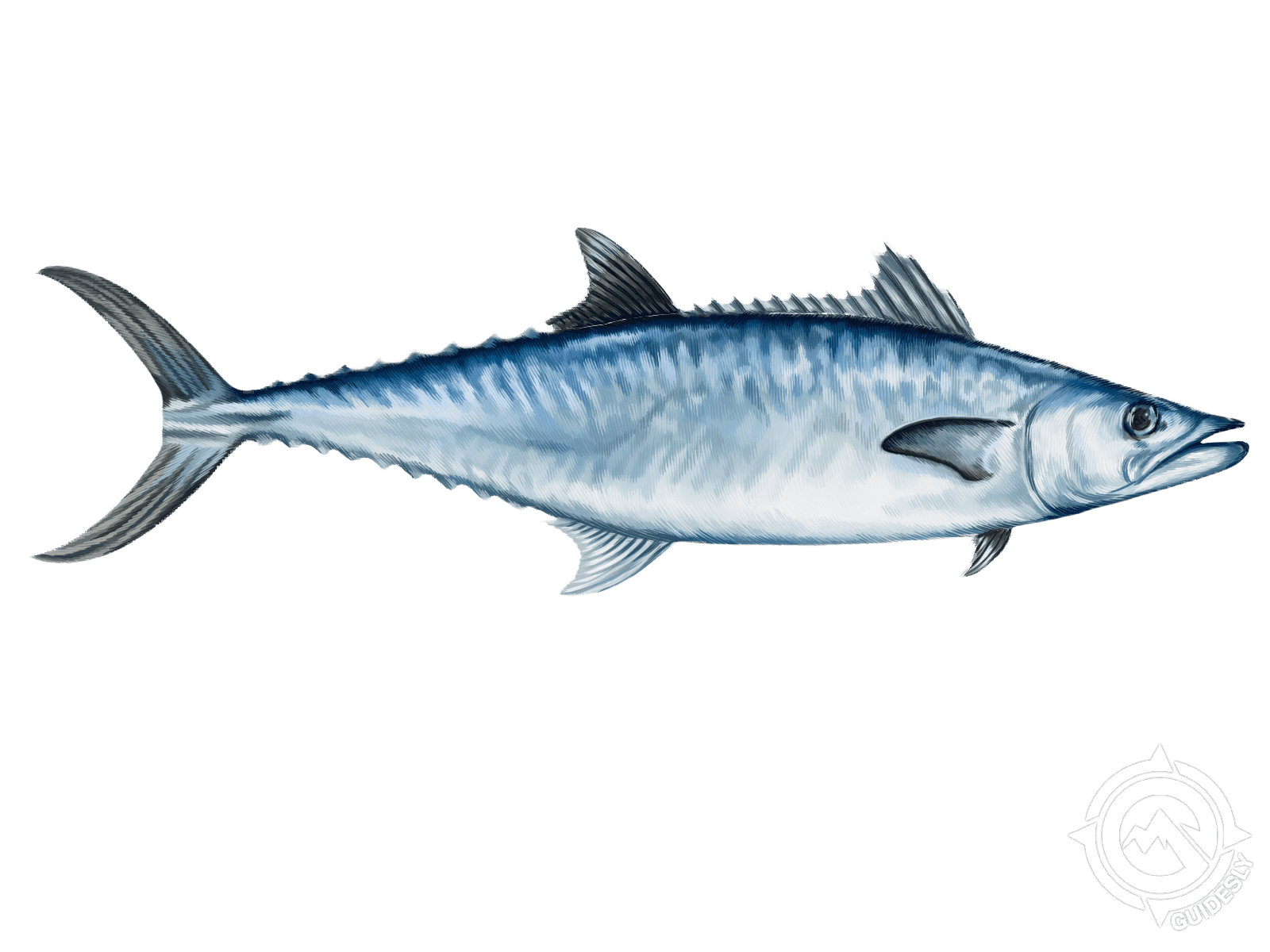
King Mackerel patrol these offshore waters year-round, with fish ranging from schoolie-sized "snake kings" to true giants over 40 pounds. The big fish show up best from fall through early spring, often relating to temperature breaks and bait schools. Kings hit trolled spoons, live pilchards, and slow-trolled dead baits. They make screaming initial runs that'll burn line off your reel, then fight with surprising stamina for their size. A big king coming to the boat is all muscle and teeth – definitely a fish that demands respect.
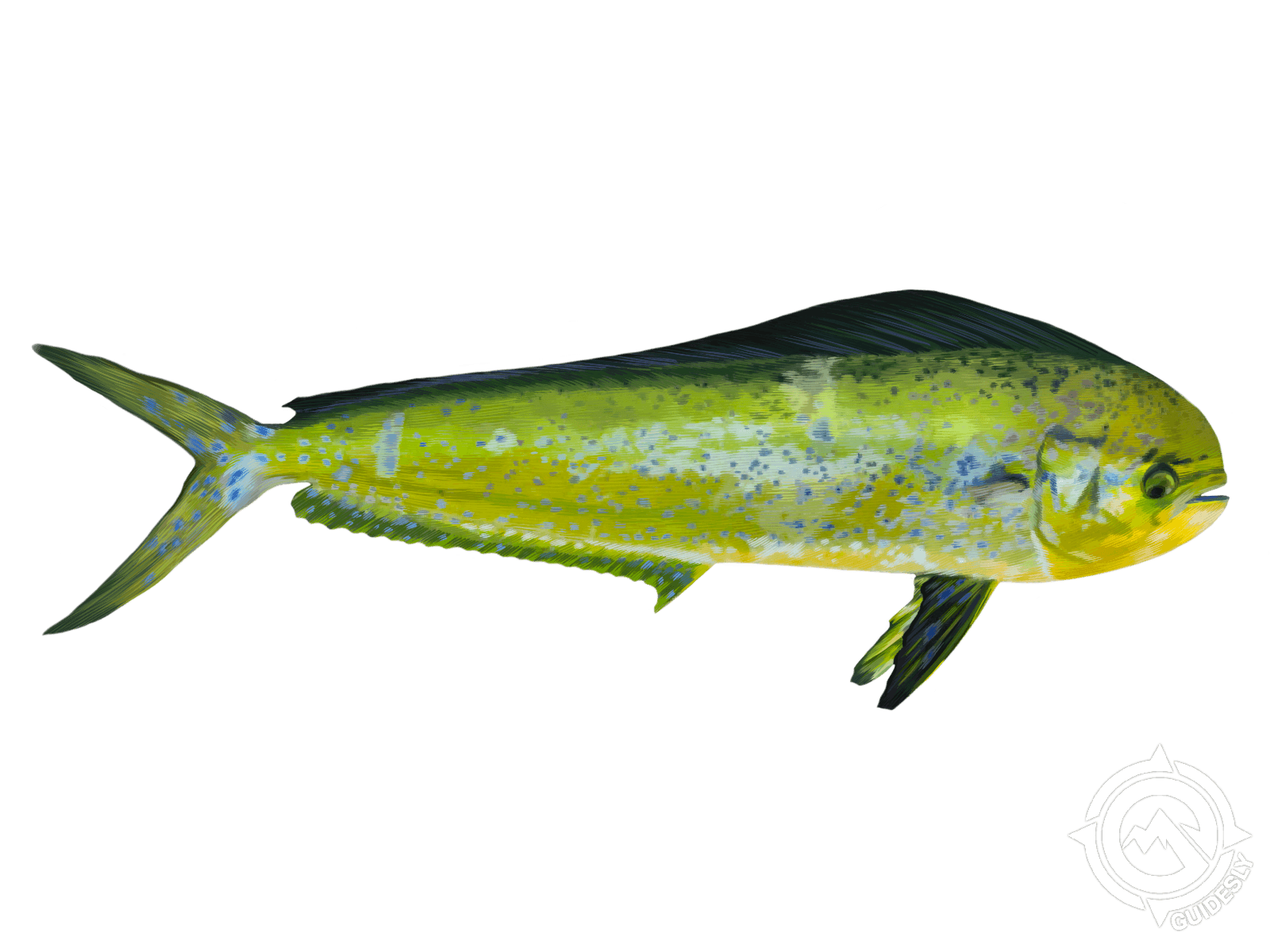
Mahi Mahi bring the color and chaos that makes offshore fishing addictive. These brilliant fish travel in schools under floating debris, weed lines, or current breaks. Small mahi start showing up in spring, with the bigger bulls arriving through summer and fall. They hit everything from small jigs to large trolling lures, often in multiples when you find a good school. Bulls can top 30 pounds and fight with incredible aerial displays, while their electric colors fade through the entire spectrum as they come to the boat.
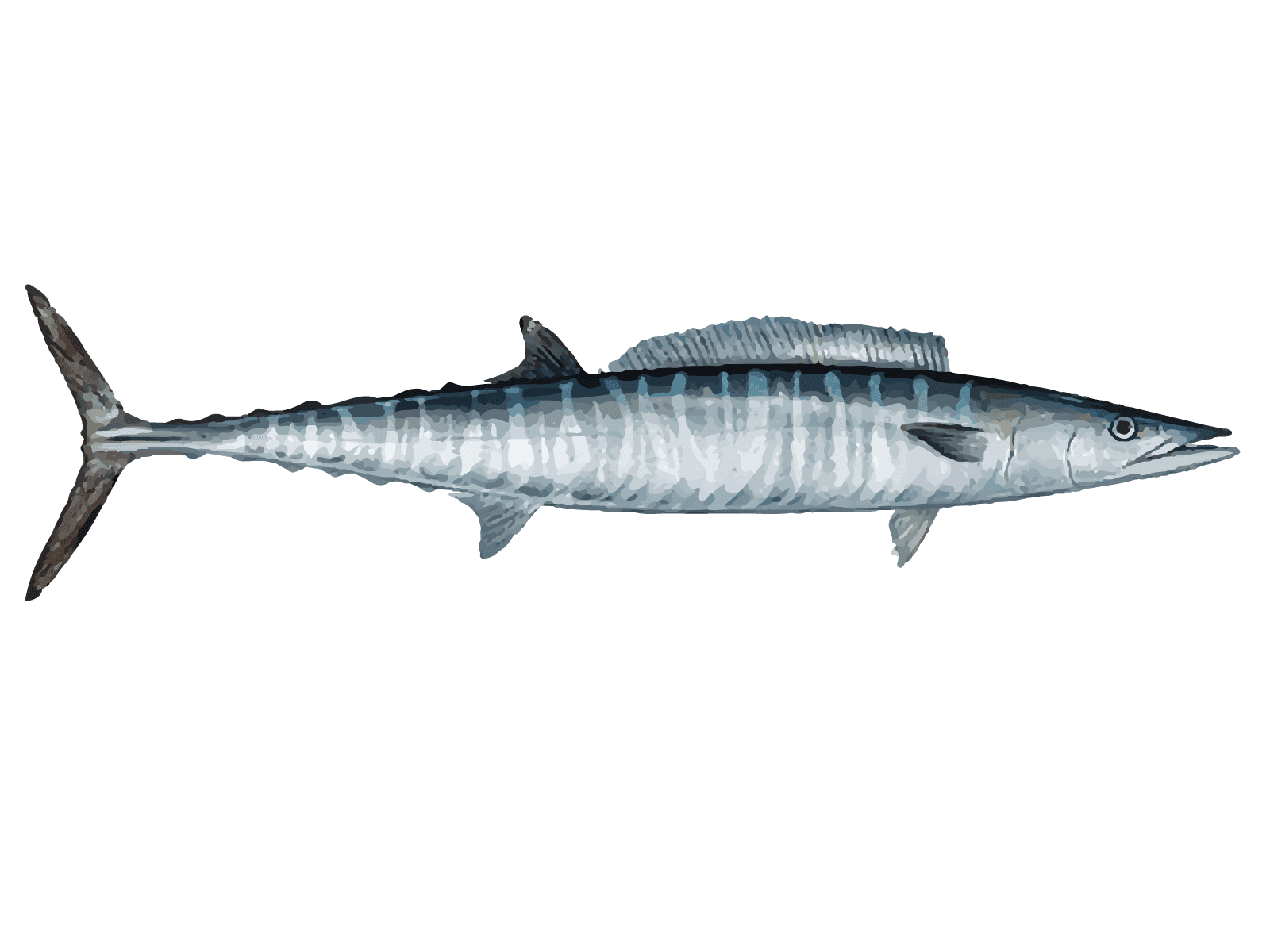
Wahoo are the speed demons of the offshore world, capable of runs that'll smoke your reel in seconds. These fish prefer the deeper water and stronger current, often showing up around 400 feet and beyond. Wire leaders are essential because their razor-sharp teeth slice through mono like butter. Wahoo average 20 to 40 pounds in our waters, with occasional fish pushing 60. They hit high-speed trolled lures and ballyhoo, making initial runs that are absolutely devastating.
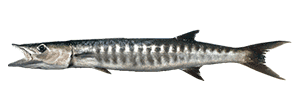
Great Barracuda grow impressive in the offshore environment, with fish over 20 pounds common around structure and temperature breaks. While smaller barracuda inhabit the flats, these offshore fish are built for speed and power. They'll hit both live bait and trolled lures, making slashing attacks that often result in spectacular jumps. Their teeth require wire leaders, and landing a big barracuda requires careful handling.
Bluefin Tuna represent the ultimate offshore challenge when they push through Key Largo waters during their migrations. These powerful fish demand heavy tackle and serious technique, often requiring live bait presentations or chunking. School fish run 20 to 40 pounds, but larger fish are always possible. Bluefin fight with incredible power and stamina, making long runs and testing your endurance.
African Pompano are among the most underrated gamefish in our offshore waters. These deep-bodied fish fight way above their weight class, using their broad sides to leverage against the current. They're often found around deeper structure and drop-offs, hitting both live bait and jigs. African pompano have incredible table value and put up fights that surprise even experienced anglers.
Time to Book Your Spot
This
Learn more about the animals
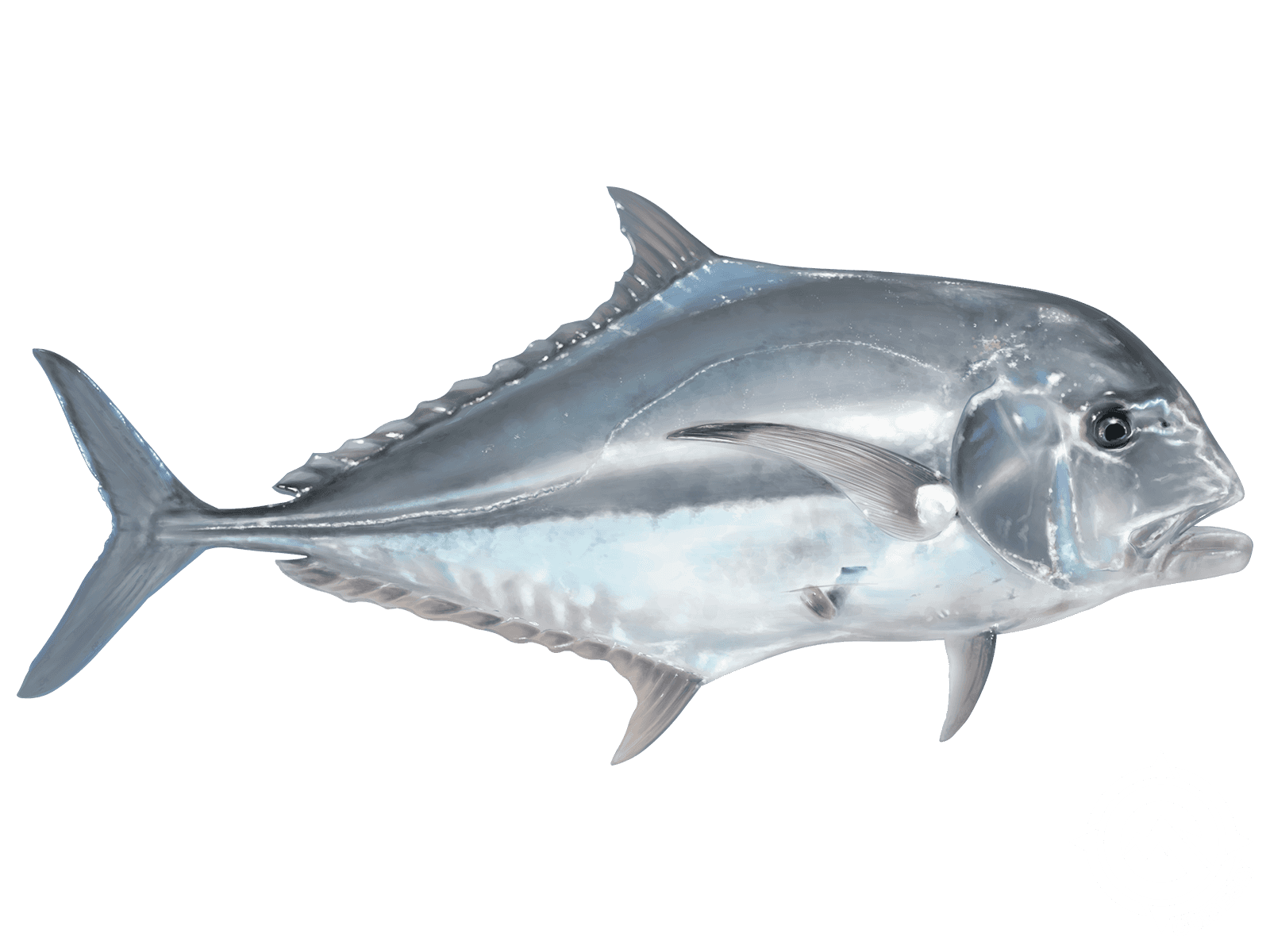
African Pompano
African pompano are real beauties from the jack family - silvery, diamond-shaped fish that put up a serious scrap. Adults average 10-20 pounds and lose those long trailing fins juveniles have. We find them over sandy bottom in 30-250 feet of water, often around wrecks and structure. Spring through fall is prime time when they move into our area. What guests love is their bulldog fight - they'll pull hard and use that flat body to their advantage in the current. The meat's excellent eating too. Being jacks, they're attracted to shiny, moving objects, so bright jigs and spoons work great. Pro tip: once you hook one, keep steady pressure and pump-and-wind - don't let them get their head down or they'll use the current against you.
Atlantic Sailfish
Atlantic sailfish are pure adrenaline on a line. These beautiful blue-gray fish with their signature sail-like dorsal fin average around 7 feet and 50 pounds, but can hit 10 feet. They're the speed demons of the ocean, clocking up to 34 mph. We find them in 30-65 feet of water, usually near the surface where they hunt schools of sardines and mackerel. Winter through spring is prime time here in the Keys - that's when they migrate through our waters chasing baitfish. What makes them special is the fight - they'll jump, dive, and put on a show you won't forget. Pro tip: when you hook one, keep steady pressure but don't horse it. Let them run first, then work them in gradually.
Bluefin Tuna
Bluefin tuna are the ultimate trophy fish - massive, fast, and incredibly powerful. These torpedo-shaped giants average 6.5 feet and 550 pounds, with deep blue backs and silver sides. We find them in deeper offshore waters, often around structure and temperature breaks. Best fishing is during their spring migration through the Gulf Stream. What makes bluefin special is the epic battle - they'll make blistering surface runs and deep dives that can last hours. The meat is world-class sushi grade too. Fair warning: you'll need heavy tackle and serious endurance. Here's a key tip: they bite best during dawn and dusk hours. Troll with live herring or mackerel, and be ready for the fight of your life when one hits.
Great Barracuda
Great barracuda are the ambush predators of the flats and reefs. These silver missiles average 2-4 feet but can reach 6 feet and pack serious attitude. You'll find them around coral reefs, grass flats, and mangroves in 10-40 feet of water. They're active year-round here, but spring spawning season brings the biggest fish. What makes them exciting is their explosive strike and tenacious fight - they'll jump, thrash, and never quit easily. Fair warning: they tire quickly but save their best fight for last. Most folks target them for sport since the meat can carry ciguatera. Pro tip: anything shiny triggers their attack instinct, so silver spoons and flashy lures work great. Always use a landing net - those teeth are no joke.
King Mackerel
King mackerel, or "kings" as we call them, are some of the hardest-fighting fish you'll encounter offshore. These sleek predators average 30 pounds but can push 90, with olive backs and silvery sides. They cruise in 40-150 feet of water, often around structure or temperature breaks. Spring through fall is when they're most active here, especially during cooler morning hours. What guests love about kings is their blistering speed - they'll scream line off your reel like few other fish can. The meat's decent eating too, though watch the mercury. Here's a local trick: rig live bait with two hooks on wire leader - one through the nose, one trailing behind. Kings often hit the tail end of baitfish first.
Mahi Mahi or Common Dolphinfish
Mahi-mahi are hands-down one of the most exciting fish to target. These golden beauties average 15-30 pounds and put on quite a color show when hooked - flashing brilliant blues, greens, and golds before fading after landing. We find them around floating debris, weed lines, and current edges, usually in the top 30 feet of water. They're here year-round but peak in spring and summer when water temps hit 70-80°F. What makes them special is the acrobatic fight - they'll jump, shake their heads, and never give up easy. Plus, the meat is fantastic eating. Pro tip: when you spot one, stick around - they usually travel in small schools, so there's likely more below.
Wahoo Fish
Wahoo are the Formula One cars of the deep - built for pure speed. These torpedo-shaped fish with blue-striped sides average 3-5 feet and hit speeds up to 60 mph. We target them in open water, usually 30-200 feet deep near current edges and drop-offs. July through November is prime time here in South Florida. What gets anglers hooked is that explosive strike - when a wahoo hits your lure at high-speed trolling, it's like hooking lightning. The white, flaky meat is premium table fare too. Here's the key: troll fast (12-15 knots) with wire leaders because their razor-sharp teeth will slice through mono instantly. Once hooked, they'll make one screaming run, then it's game over - they don't have much stamina.
About the Pathfinder
%2F%2Fusers%2F602b0194-0420-47c3-a057-47eddabd8532%2Fvehicle_picture%2F89560946_103202157973729_4353386272929087488_n.jpg&w=1920&q=75)
Vehicle Guest Capacity: 6
Manufacturer Name: Yamaha
Maximum Cruising Speed: 52
Number of Engines: 1
Horsepower per Engine: 300