%2Ffit-in%2F250x250%2Fguide_websites%2F607%2Fimages%2Flocalgrowncharterslogo.jpg&w=1920&q=100)
/users/602b0194-0420-47c3-a057-47eddabd8532/ratecard/screenshot2023-11-20201628.png)
%2F300x300%2Fusers%2F602b0194-0420-47c3-a057-47eddabd8532%2Fratecard%2Fscreenshot2023-11-20201628.png&w=256&q=75)
%2Ffilters%3Aformat(webp)%2F300x300%2Fcbf61b12-71bf-4138-82a3-2fd8df434e3e%2Freport%2Fsocial%2Fimages%2Freport%2Fspiny-pufferfish-everglades-fishing-catch-11218.png&w=256&q=75)
Key Largo Wreck Fishing: 4-Hour Pro-Guided Trip

 Key Largo, FL
What you will be catching:
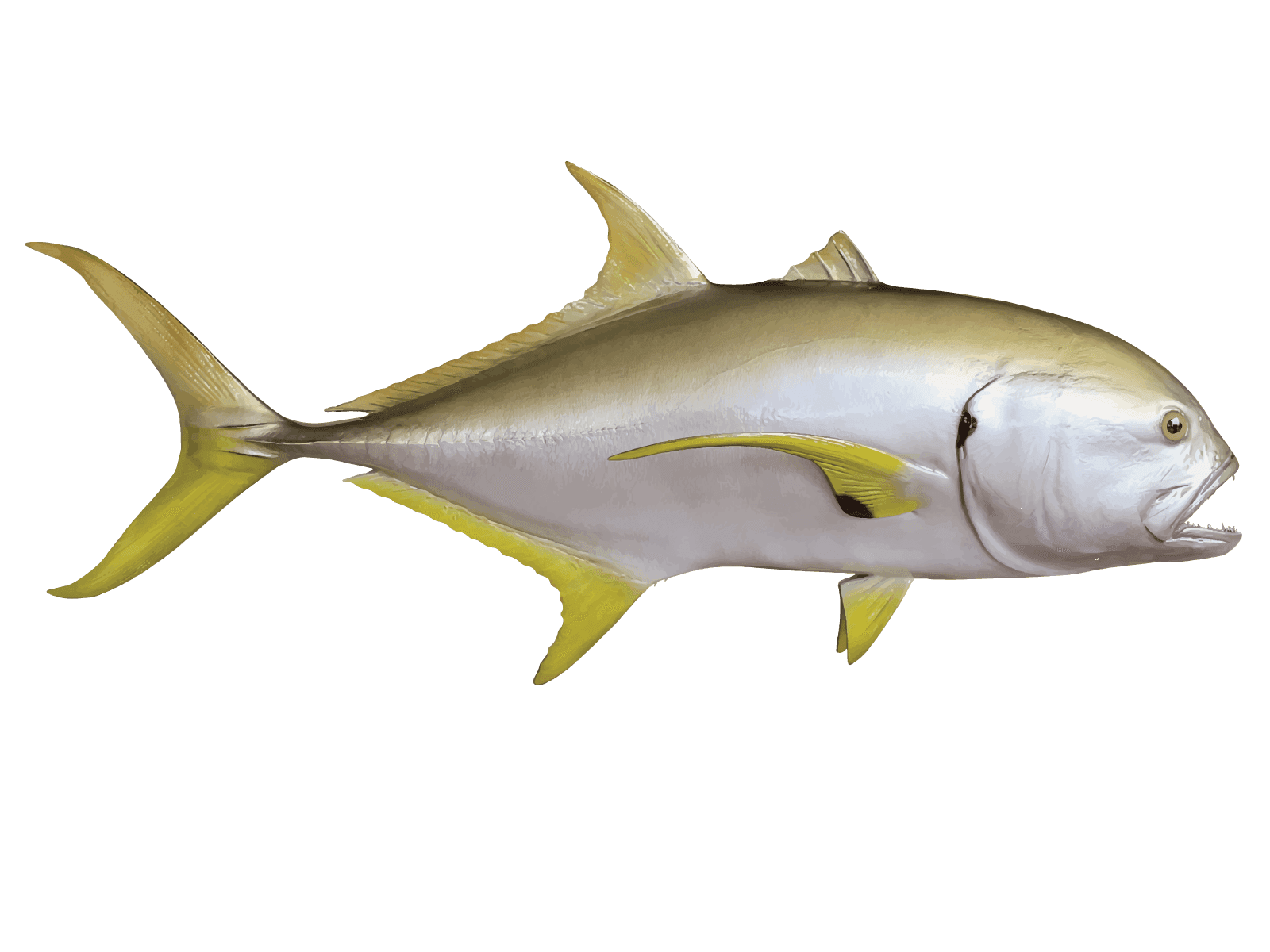
 Crevalle Jack
 Great Barracuda
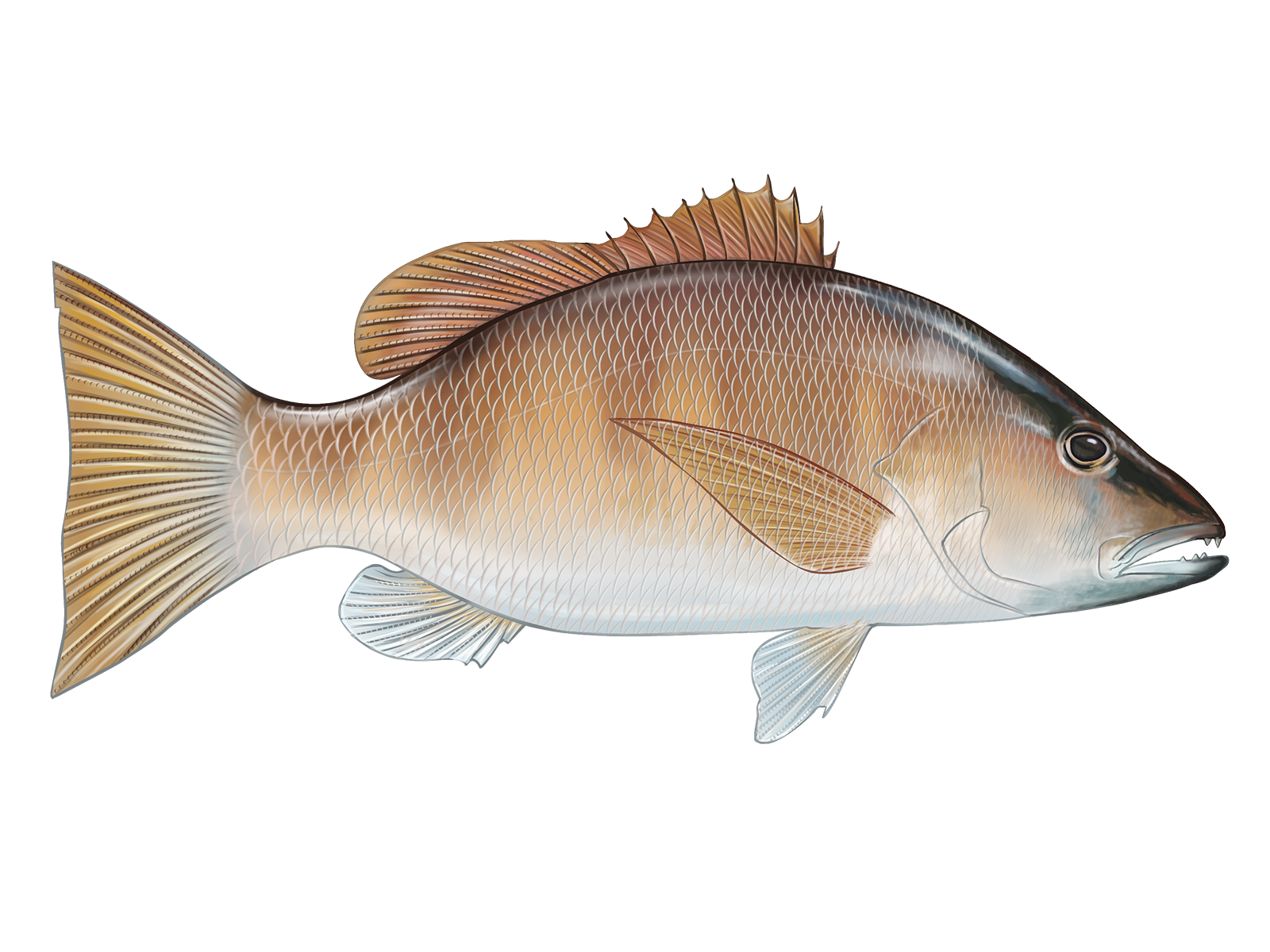 Grey Snapper
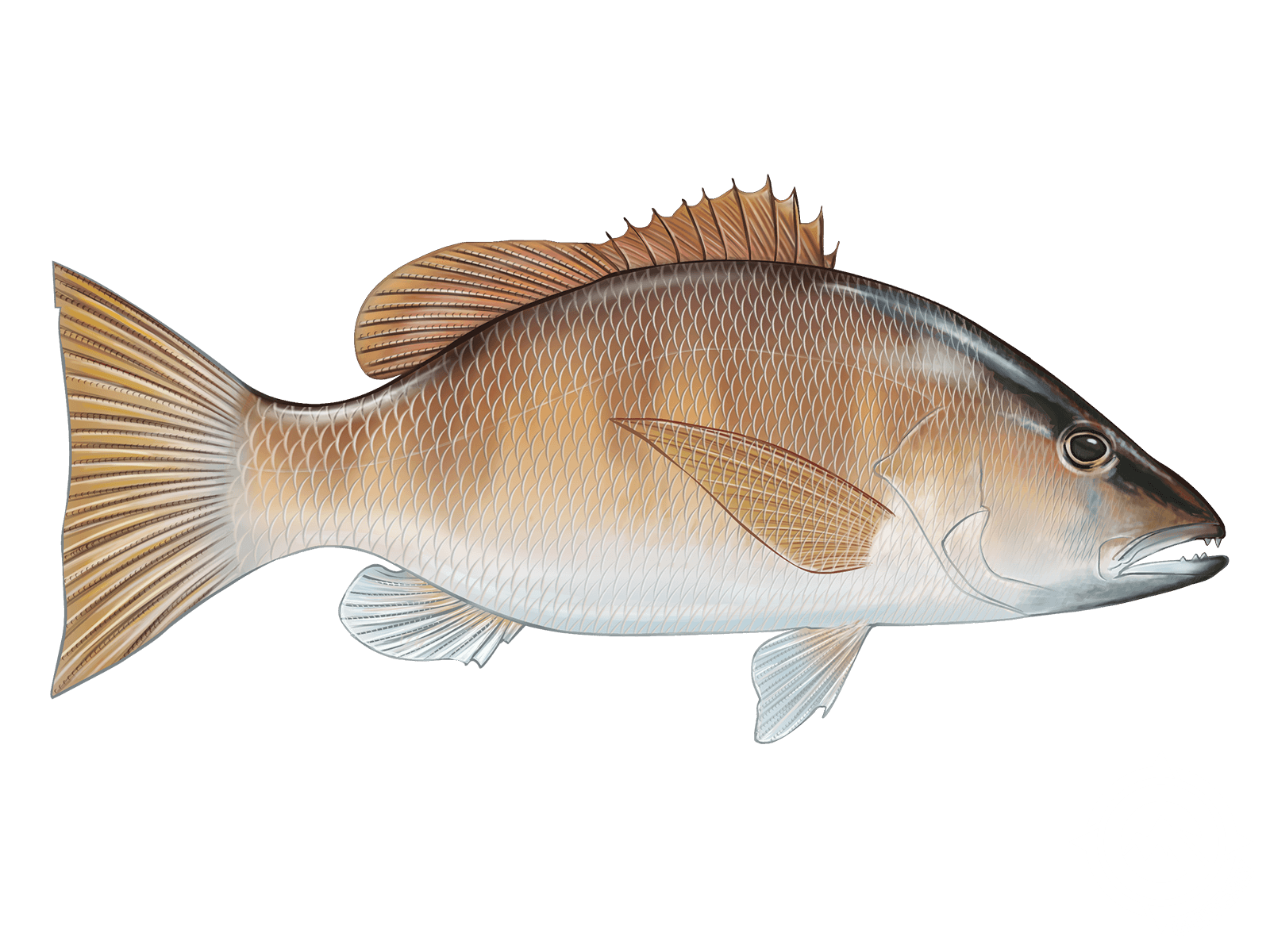
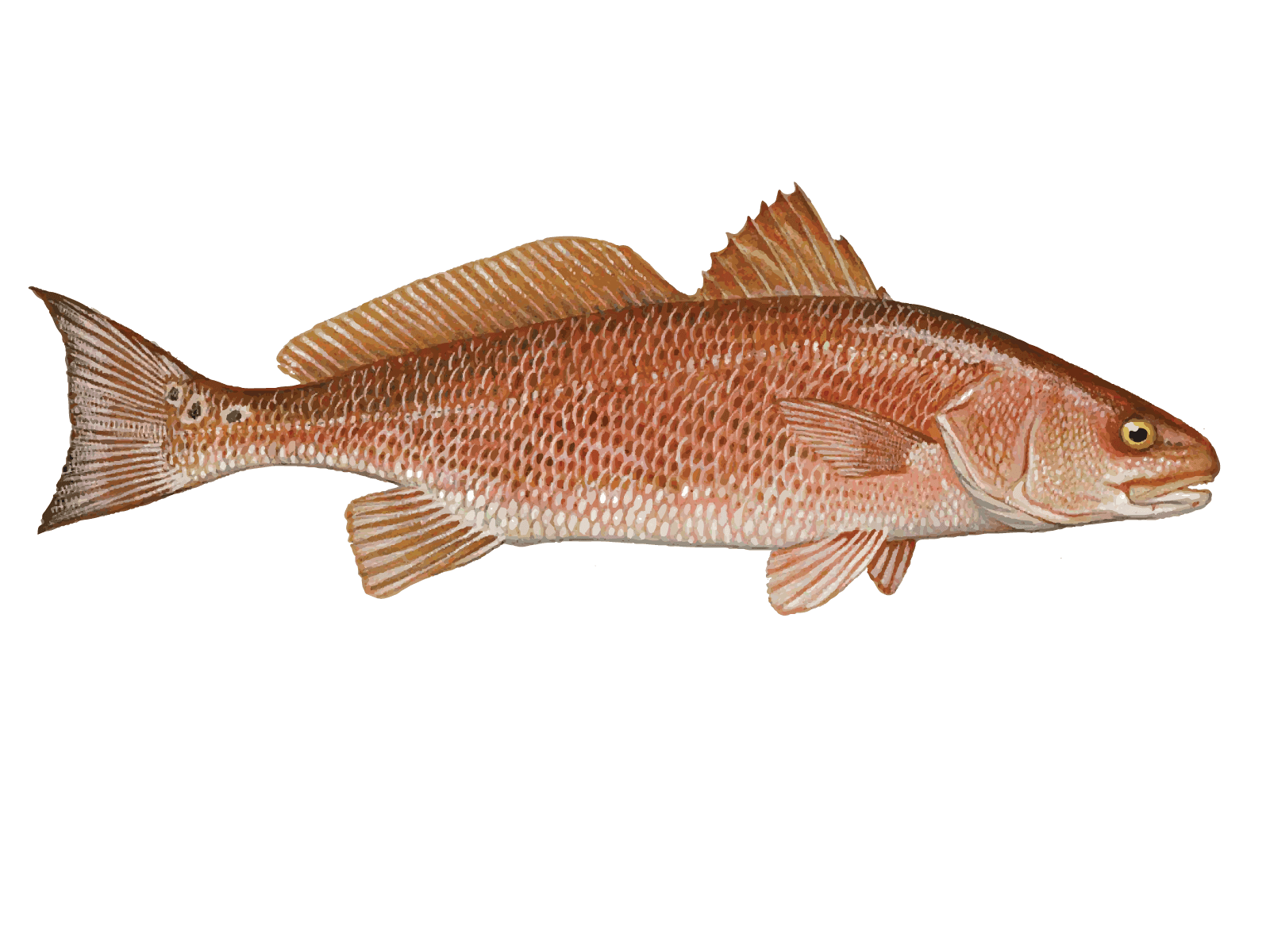
 Redfish
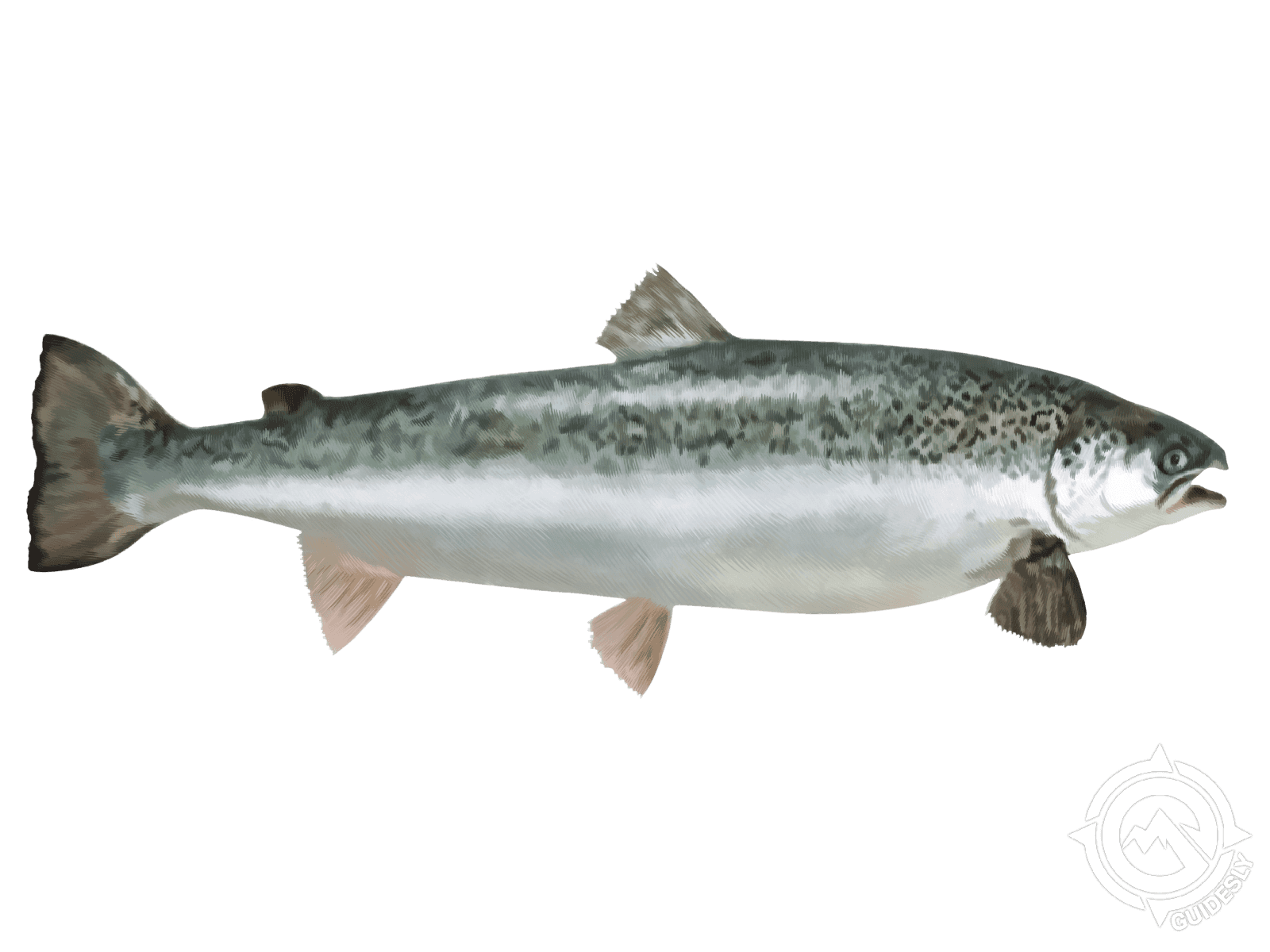
 Sea Trout
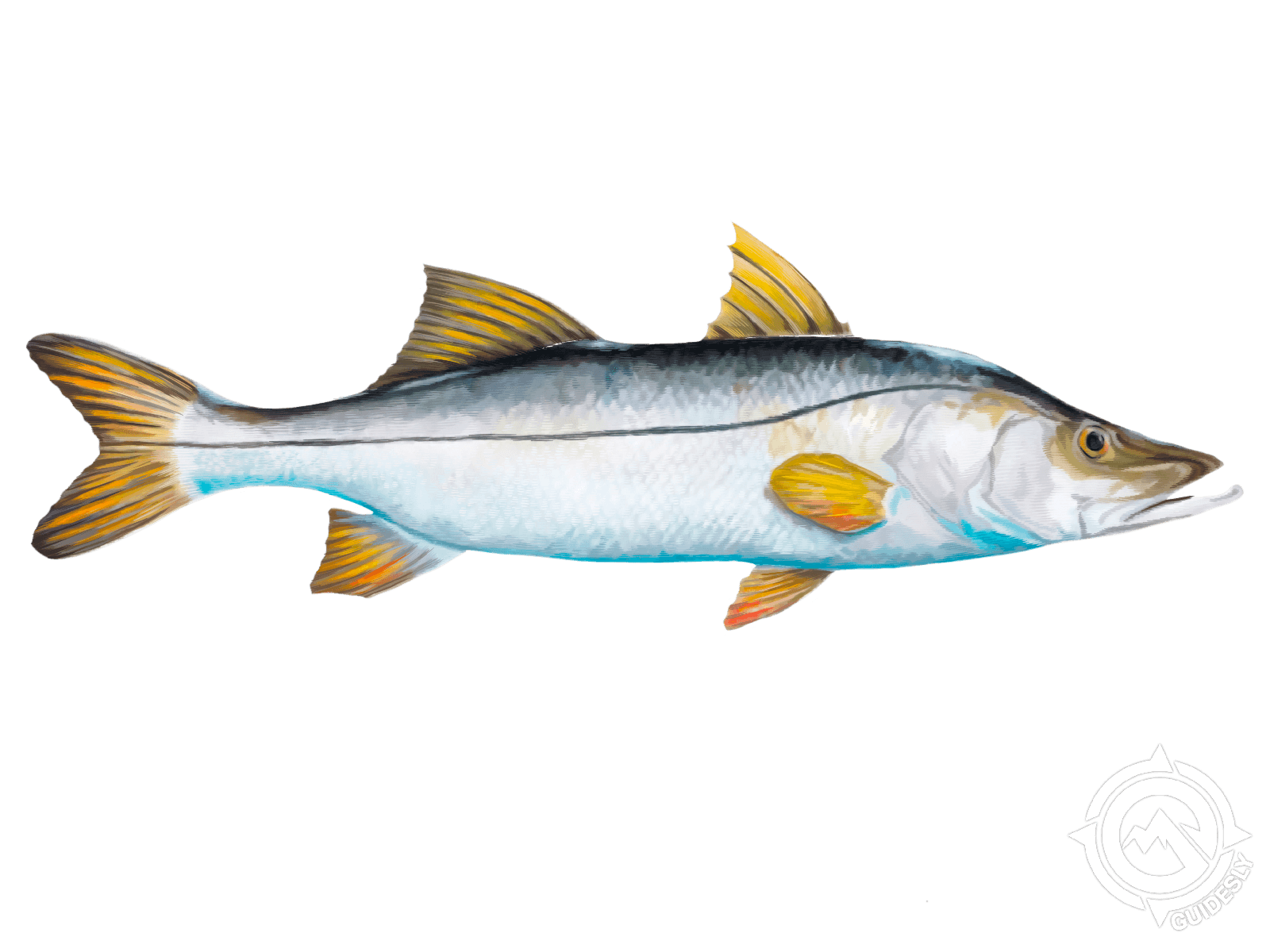
 Snook
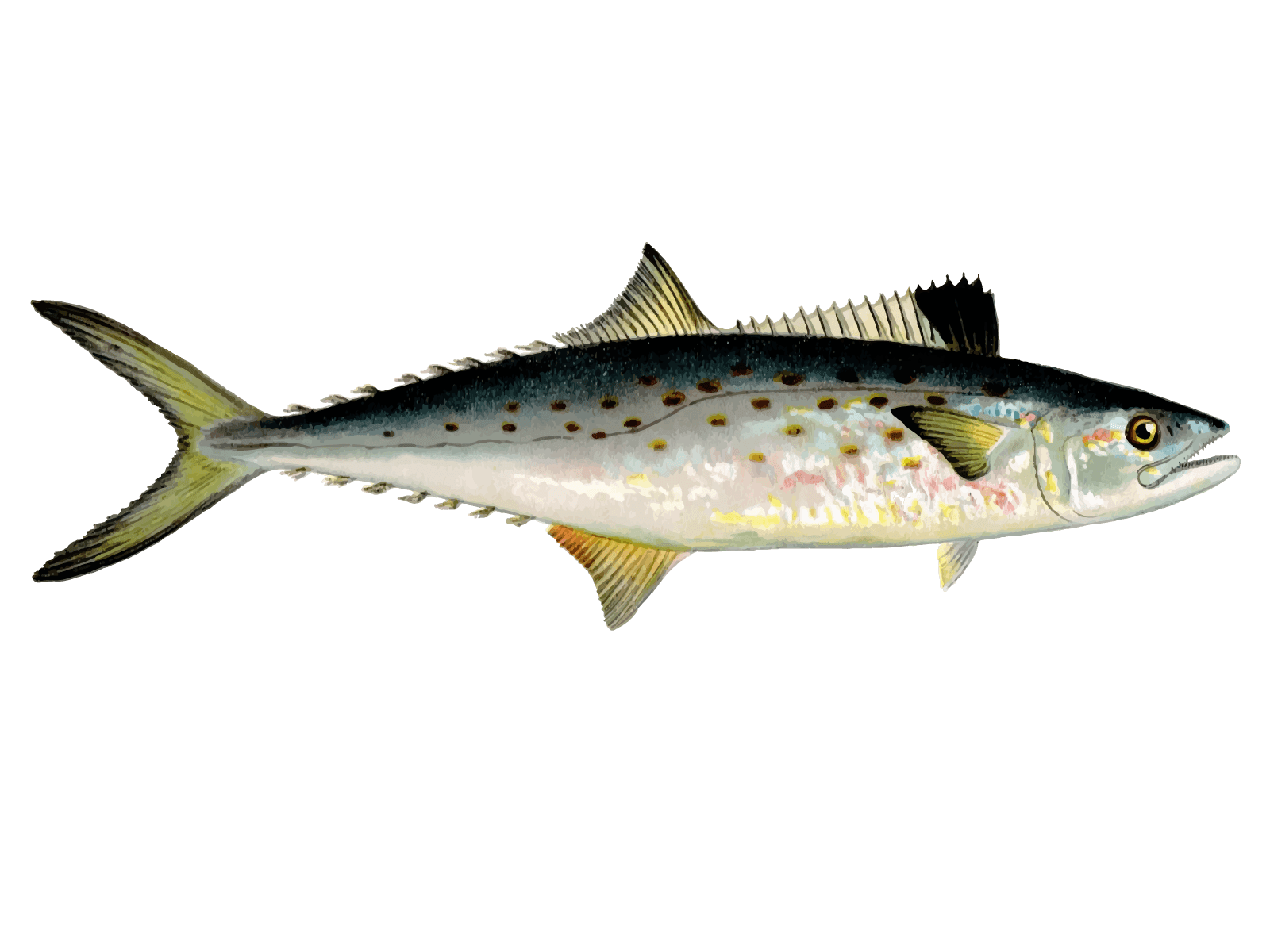
Snook Spanish Mackerel
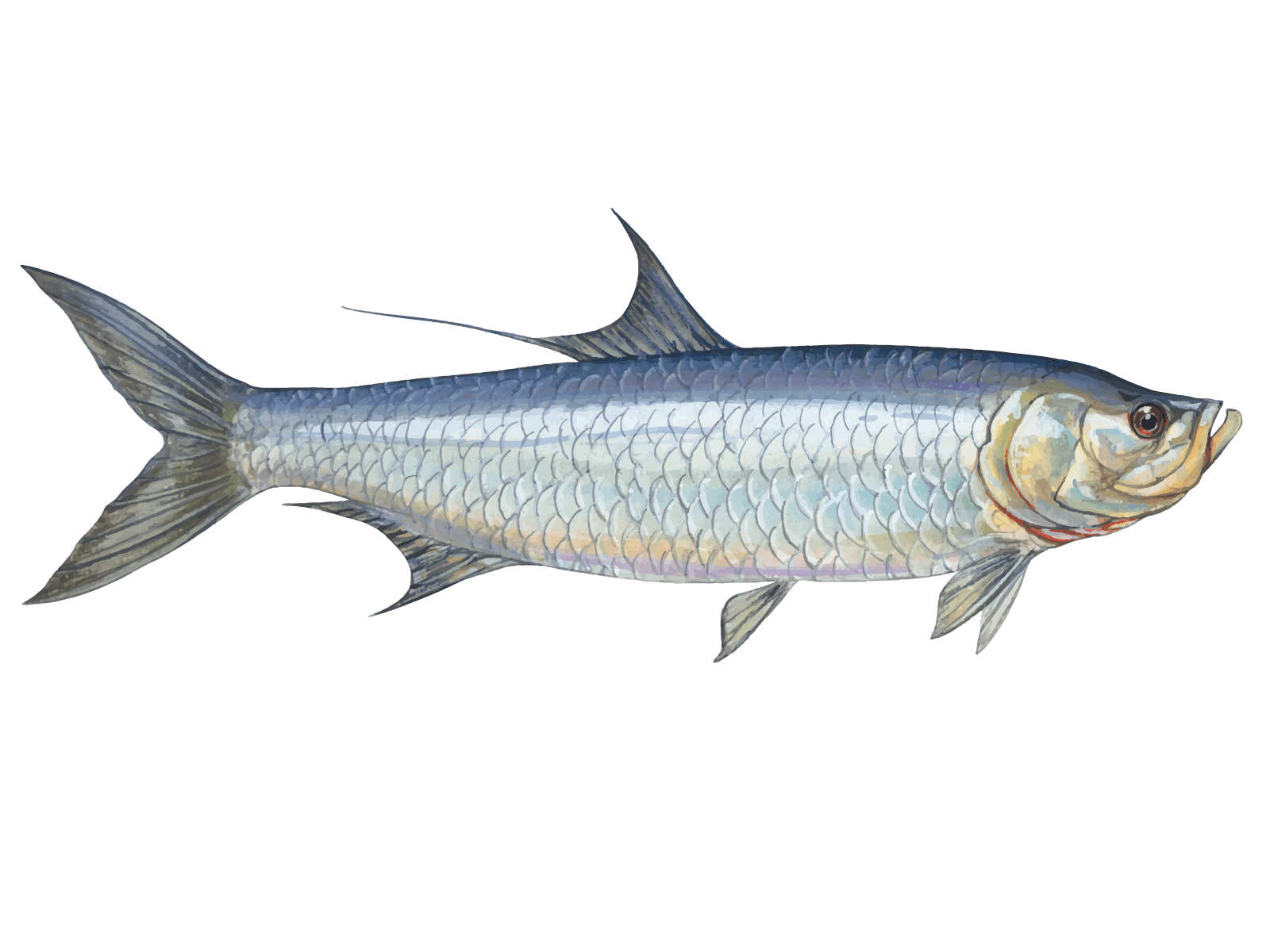
 Tarpon
- Join Captain Andrew Atwill for a productive half-day morning fishing trip out of Key Largo. You'll fish the waters of Everglades National Park or work the patch reefs targeting snapper, grouper, mackerel, snook, tarpon, and barracuda. All gear is provided, so just bring yourself and get ready for steady action. The captain knows these waters well and will put you on fish whether you're new to saltwater fishing or have been at it for years. These are working trips focused on catching fish in some of Florida's most productive waters. Small groups of up to 4 anglers mean personalized attention and more fish per person.
Trip Pricing and Availabilities:
Half Day Fishing Trip In Key Largo, Florida
Picture this: you're casting lines in some of Florida's most productive waters before most folks have finished their morning coffee. That's exactly what you get with Captain Andrew Atwill's half-day morning fishing adventure out of Key Largo. Whether we're working the pristine backcountry of Everglades National Park or hitting the patch reefs just offshore, this trip delivers non-stop action for up to four anglers. The beauty of a morning charter is you're fishing when the fish are most active, plus you've still got your afternoon free to explore everything else the Keys have to offer.
What to Expect on the Water
Captain Andrew knows these waters like the back of his hand, and he'll adjust the game plan based on conditions, season, and what's biting best that day. Some mornings we'll head into the shallow backcountry flats where snook and redfish patrol the mangrove edges. Other days, the patch reefs are calling with their promise of snapper, grouper, and hard-fighting jacks. The boat comes loaded with top-quality tackle, so you don't need to worry about gear – just bring yourself and get ready to bend some rods. Andrew's approach is all about keeping everyone engaged, whether you're a seasoned angler or picking up a rod for the first time. He'll put you on fish, help with technique, and make sure every person on board gets their shot at landing something memorable.
Techniques and Tackle
The fishing style changes depending on where we're hunting that day. In the backcountry, we're typically working live bait around structure – think pilchards or pinfish near mangrove roots, docks, and channel edges where predators like to ambush their prey. The patch reefs call for a different approach, often involving bottom fishing with cut bait or live offerings to tempt snappers and groupers hiding in the coral heads. When the mackerel are running, we might troll small spoons or jigs to cover water and find the schools. Andrew provides all the rods, reels, tackle, and bait you'll need, and he's always ready to share tips on reading the water, setting the hook, and fighting fish properly. The beauty of fishing with a local expert is learning those little tricks that separate good fishing days from great ones.
Customer Stories
"Andrew worked his tail off to keep bait on hooks and lines in the water. He offers a number of areas to fish and gives you options to maximize fishing for the day. I booked a 4 hour trip with my wife and 3 kids. Andrew was great with the kids and was always willing to answer questions." - Brian
"Captain Andrew and Rob did a fantastic job getting us on fish despite a windy day. We loved it so much we rebooked for tomorrow at the dock when we arrived back! Going to the Reef tomorrow and cant wait !" - Paula
"Captain Andrew is great. Lots of fish and lots of fun!" - Brian Gale
Species You'll Want to Hook
Redfish are one of the most sought-after species in these waters, and for good reason. These copper-colored fighters average 18-27 inches and are known for their bulldogging runs that'll test your drag system. Fall and winter months are prime time for reds in the backcountry, when they school up in the shallows. What makes them so exciting is their willingness to eat and their never-give-up attitude once hooked.
Crevalle Jack might not win any beauty contests, but they're pure muscle wrapped in silver. These aggressive predators hit hard and fight harder, often making blistering runs that'll leave your arms burning. They school up around structure and baitfish, and when you find one, you'll usually find more. Jacks are active year-round in Key Largo waters, making them a reliable target no matter when you visit.
Snook are the kings of the mangrove shoreline, and landing one is always a highlight. These ambush predators lurk in the shadows waiting for an easy meal, and they're notorious for their gill-rattling jumps when hooked. The slot size for snook runs 28-33 inches, and they're most active during warmer months. Their fighting ability and the challenge of pulling them away from structure makes every snook a trophy.
Grey Snapper, or mangrove snapper as locals call them, are some of the best eating fish in these waters. They're smart, cautious, and require a bit of finesse to fool consistently. These reef dwellers average 12-16 inches but can grow much larger around the deeper structure. Summer months see the best snapper action, and their tendency to school up means where there's one, there's usually more.
Tarpon are the silver kings of Key Largo waters, and even juvenile tarpon pack enough power to create memories that last a lifetime. These acrobatic fish are famous for their aerial displays and never-ending stamina. While the giant tarpon migrate through in late spring and summer, resident fish in the 20-60 pound range patrol year-round. Hooking any tarpon is special – landing one is legendary.
Sea Trout, or speckled trout, are beautiful spotted fish that inhabit the grass flats and shallow waters around Key Largo. They're excellent eating and relatively easy to catch, making them perfect for families and newer anglers. Spring through fall offers the best trout fishing, and they respond well to live shrimp and small jigs worked over the grass beds.
Great Barracuda are the speed demons of the reef, capable of lightning-fast strikes that'll get your heart racing. These toothy predators can exceed three feet in length and are known for their spectacular jumps and searing runs. They're active year-round but seem most aggressive during the warmer months. Cuda are also great fun on lighter tackle
Customer Reviews
Andrew Rocks Kids

Brian Grote
January 3, 2025
Windy Day Winners
Captain Andrew and Rob did a fantastic job getting us on fish despite a windy day. We loved it so much we rebooked for tomorrow at the dock when we arrived back! Going to the Reef tomorrow and cant wait !
Paula Harris
March 6, 2025
Fish and Fun Captain
Captain Andrew is great. Lots of fish and lots of fun!
Brian Gale Gale
January 6, 2026
Learn more about the animals
Crevalle Jack
Crevalle Jacks are the ocean bullies you want to tangle with - powerful, aggressive fish that average 3-5 pounds but can hit 20+ in our deeper waters. These brassy-green speedsters school up near the surface, and you'll often spot them by watching for diving birds since they push baitfish topside. They're found everywhere from shallow flats to offshore structure, but the bigger ones prefer deeper water around reefs and wrecks. Best action happens spring through fall when they're most active. Guests love them because they hit hard and fight dirty with serious pulling power, though they tire quickly. Not great table fare, but pure fun on light tackle. Here's the trick: when you find a school, cast past them and retrieve fast - they love the chase and rarely refuse a moving target.
Great Barracuda
Great Barracuda are the silver bullets of Key Largo's reefs and flats. These toothy predators typically run 2-4 feet long and are built for speed - they can hit 35 mph in short bursts. You'll find them patrolling coral reefs, grass flats, and anywhere baitfish gather. They hunt by sight and are naturally curious, often following the boat. Year-round fishing here, but spring and fall give you the most consistent action. Guests love the explosive strikes and initial runs, though they tire quickly. Not the best table fare due to possible toxins, but pure excitement on the hook. They'll hit anything shiny and moving fast. Pro tip: use a wire leader and keep your lures moving - these predators can't resist fast, erratic retrieves, and those razor-sharp teeth will cut through regular line instantly.
Grey Snapper
Grey Snapper, or Mangrove Snapper as we call them locally, are smart fish that'll test your patience. These copper-red beauties typically run 12-16 inches inshore, though bigger ones lurk around deeper structure. They love hanging around docks, bridges, patch reefs, and any kind of cover where they can ambush prey. Best fishing happens at dawn, dusk, or night when they get less spooky. Year-round action here in the Keys, but summer nights are prime time. Guests appreciate the challenge - they're finicky but fight well for their size, plus the white, flaky meat is some of the best eating around. They've got excellent eyesight, so light tackle and natural presentation matter. Pro tip: use a 4/0 hook with live shrimp, pin it through the tail, and let it sink naturally without much movement.
Redfish
Redfish are one of our most reliable targets around Key Largo's shallow waters. These copper-colored fish typically run 20-30 inches and love cruising grass flats, oyster bars, and mangrove edges in just 1-4 feet of water. You'll spot them by their distinctive black eyespot near the tail and that bronze-red coloring that fades to white underneath. They're not picky eaters - shrimp, crabs, and small baitfish all work well. Spring through fall gives you the best action, especially during moving tides when they're actively feeding. What makes them special is that explosive strike and bulldogging fight once hooked. The meat's excellent too - mild and flaky. Pro tip: when you see their backs pushing water in skinny areas, cast well ahead and let your bait settle naturally.
Sea Trout
Speckled Trout are our bread-and-butter fish around Key Largo's grass flats. These spotted silver beauties typically run 14-18 inches and love shallow, grassy areas where they can ambush shrimp and small baitfish. You'll find them in 2-8 feet of water over sand and grass bottoms, especially during moving tides. Cool weather from fall through spring brings the best action - they school up in deeper holes during cold fronts. What guests love is their willingness to bite and that distinctive spotted pattern. The white, flaky meat is outstanding but delicate, so don't overcook it. They're soft-mouthed, so you'll lose some on light drag. Best tip: fish live shrimp under a popping cork over grass flats during moving water - the sound draws them in from distance.
Snook
Snook are the ultimate ambush predators around Key Largo's mangroves and bridges. These silver-sided beauties with that bold black lateral line typically run 18-28 inches and love structure - docks, mangrove roots, oyster bars, anywhere they can hide and attack. They move between salt and fresh water, so you'll find them in creeks, canals, and open flats depending on conditions. Summer's peak season when they're most active, especially around new and full moons. What guests love is that explosive strike and acrobatic fight - they'll jump and make serious runs. The white, flaky meat is outstanding too. They're temperature sensitive though, so cold fronts shut them down. My tip: work your bait slowly around structure and be ready - when they hit, they hit hard and head straight back to cover.
Spanish Mackerel
Spanish Mackerel are the speed demons of Key Largo's near-shore waters. These silver torpedoes with yellow spots typically run 1-2 feet long and move in large schools that can stretch for miles. You'll find them near the surface around reefs, structure, and baitfish schools - watch for diving birds marking the action. Spring through fall brings the best fishing when they're most active and closer to shore. What makes them popular is their willingness to bite and that blistering initial run. The meat is excellent - rich in omega-3s and great grilled or smoked. They're fast swimmers averaging 18 mph, so be ready for quick strikes. These fish migrate seasonally, following bait and warm water. My tip: troll small spoons or cast jigs when you spot schools, but work fast - they move constantly and won't stick around long.
Tarpon
Tarpon are the silver kings of Key Largo - massive fish that can hit 100+ pounds and launch themselves 6 feet out of the water. These prehistoric giants migrate through our waters May through September, with peak action in summer months. You'll find them rolling on shallow flats, around bridges, and in deeper channels throughout Florida Bay and the backcountry. What makes them legendary is that first jump - pure power and acrobatics that'll leave you shaking. They're not great eating due to their bony structure, so it's all about the fight and bragging rights. Most run 80-150 pounds here, living up to 50 years. The key is being patient and ready for that explosive jump that can throw your hook. My advice: when you hook one, bow to the king - drop your rod tip when they jump to keep tension off the line.
About the Pathfinder
%2F%2Fusers%2F602b0194-0420-47c3-a057-47eddabd8532%2Fvehicle_picture%2F89560946_103202157973729_4353386272929087488_n.jpg&w=1920&q=75)
Vehicle Guest Capacity: 6
Manufacturer Name: Yamaha
Maximum Cruising Speed: 52
Number of Engines: 1
Horsepower per Engine: 300

Andrew worked his tail off to keep bait on hooks and lines in the water. He offers a number of areas to fish and gives you options to maximize fishing for the day. I booked a 4 hour trip with my wife and 3 kids. Andrew was great with the kids and was always willing to answer questions.